
Features
August 2026
Send and Request Money: The Venmo Alternative in Canada
You want to pay back your roommate, send $40 to a friend, or get paid for a sale on Marketplace. Or maybe it's the other way around: you've been waiting three weeks for someone to pay you back and you're not quite sure how to bring it up without it being awkward.
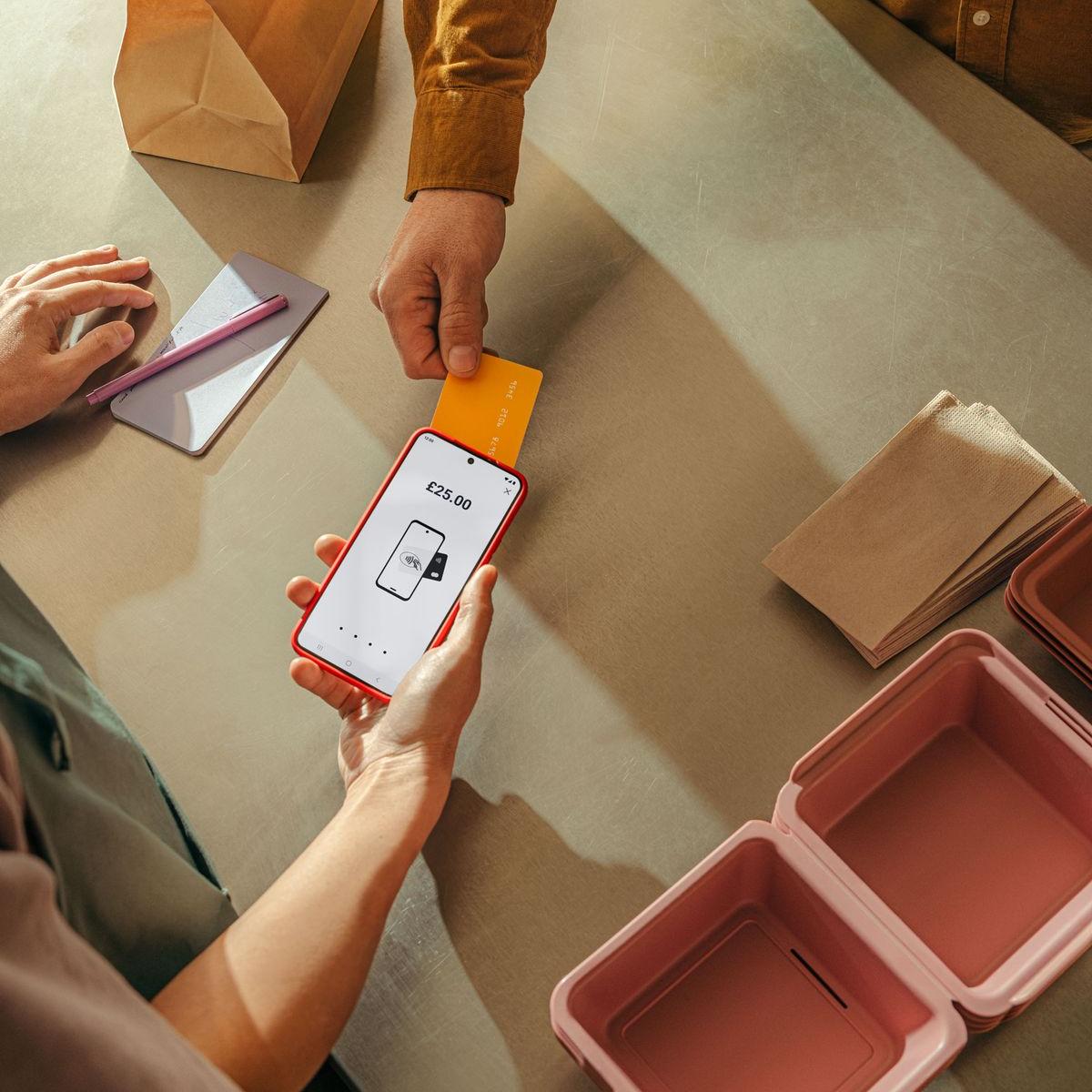
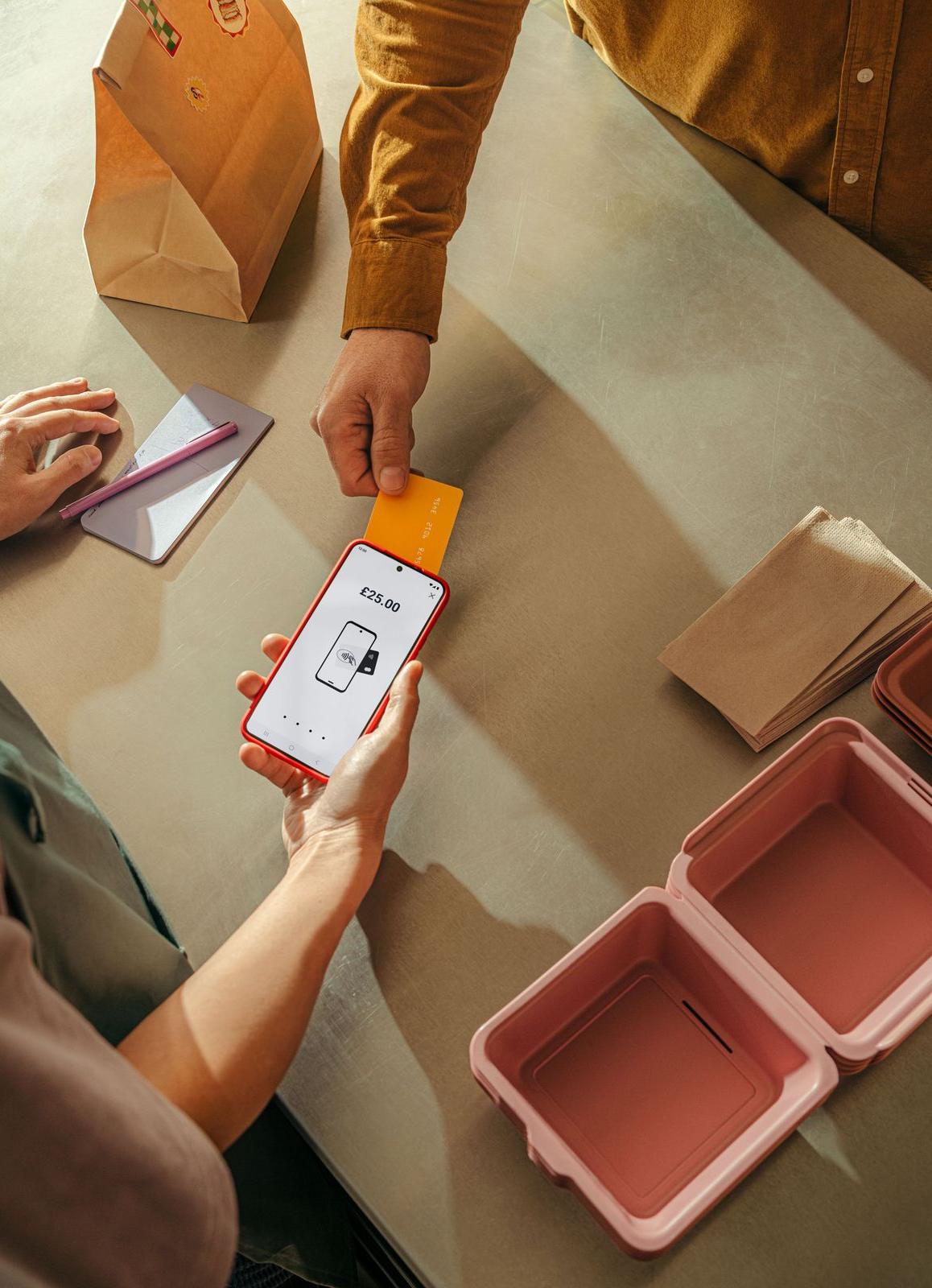
Elsewhere in the world, these scenarios are easy to sort out thanks to apps like Venmo and Cash App, used by our neighbors to the south. Venmo and Cash App don't exist in Canada, but Bounce does exactly that: send and request money from your friends in a few taps, right from the app.
What It Actually Is: Sending and Requesting Money
With Bounce, you can send money to someone, but you can also request it from them. Both work from two sources: your Bounce wallet or a bank account you've linked to the app.
When you send money, it's on its way immediately. When you request it, the other person gets a clear notification with the amount, and all they have to do is confirm to pay you. No message to write, no "hey, you still owe me for...", just a simple request to accept.
Speed depends on where the money is coming from and where it's going:
- From your Bounce wallet: the transfer is instant. The money leaves your wallet and lands with the other person right away.
- From a linked bank account: the transfer can take up to three business days to arrive.
The same logic applies on the receiving end. When someone sends you money, you can choose to receive it in your Bounce wallet (instant) or directly into your bank account (up to three business days).
In short: the wallet is the fast lane. The bank account is the flexible lane, but a bit slower. These are the two main categories of mobile payments recognized in Canada: the instant digital wallet and the transfer that runs through your bank.
Why We Built It This Way
We could have forced everyone through the wallet to keep everything instant. We chose not to.
The reality is that people's money doesn't just live in an app. It lives in a bank account, the one you use to pay rent, buy groceries, and get paid. Forcing you to keep money "stuck" in a wallet just to get the speed would have been a tradeoff we weren't willing to make.
So we built both options. The wallet gives you instant speed for payments between friends that need to settle right away. The linked bank account gives you the flexibility to send money straight to where you actually need it, without an extra manual transfer later.
There's no real Venmo equivalent in Canada: Interac e-Transfer runs through the bank, and most existing alternatives require both people to use the same app for it to work well. We wanted Bounce to be the thing that was missing: a way to send and request money as simply as sending a text message.
And we added the request feature for one specific reason: reminding someone they owe you money is socially uncomfortable. Nobody likes sending a text that says "by the way, you still owe me $20 for Friday." With Bounce, you send a clear, specific request without having to say the awkward part yourself. The other person sees the amount and any context you've added, then pays in one tap. It removes all the social friction of the reminder, without ever coming across as passive-aggressive.
Who It's For
Bounce is built for any Canadian who needs to send money to family or friends, and who's ever said "I'll pay you back later" without a quick way to actually do it. In practice, that's:
- Anyone with expenses to split with friends: dinner, an outing, a group gift. Settling up fast, without going through a separate bank transfer.
- Anyone selling something online (Marketplace, Kijiji, between friends) who wants to get paid without waiting for the next business day.
- Anyone who wants to stay in control of where their money goes: straight into their bank account so they don't have to move it manually later, or into their wallet so they can use it right away elsewhere in Bounce.
- Anyone who hates reminding someone they owe them money, whether it's because they organized the group dinner or fronted the cash for a collective gift.
A Real-Life Example
Sam and his three roommates split a takeout dinner on a Friday night. The bill comes to $80, Sam pays the whole thing on his card, and each roommate owes him $20.
Marc, one of the roommates, opens Bounce and sends his $20 straight from his wallet. Sam gets the money within seconds, before he's even finished putting away the leftovers.
Léa, another roommate, prefers to send her $20 from her bank account, because that's where her money is right now. The transfer leaves her bank and takes up to three business days to arrive. Sam chooses to receive that money directly into his bank account too, rather than his wallet, because he needs it to pay rent the following month.
The result: two different ways to send, two different ways to receive, and everyone settled up without ever leaving the app.
Two weeks later, one of the roommates still hasn't paid their share of another dinner. Normally, Sam would have to send a slightly awkward text to remind them. Instead, Sam opens Bounce, sends a $20 request with a note that says "Thursday's dinner," and the roommate gets a clear notification. They pay in one tap, without anyone having to say the uncomfortable part out loud.
The Bottom Line
There's no real Venmo in Canada, but Bounce gets the job done: send and request money from your friends, from your wallet or your bank, in a few taps, without ever having to say the awkward part yourself.
Download Bounce and send your first money request today.
Features
Scan to Pay: Get Paid by QR Code With Bounce
August 2026
You're selling something to a stranger on Marketplace, giving a private lesson, or collecting money for a group activity. The problem: you don't always know whether the person in front of you uses Bounce, and you don't feel like asking for their phone number or email just to get paid.
Features
The Group Function: Expense Splitting With Friends
August 2026
A dinner with friends, a trip with four people, a shared apartment. As soon as a group splits expenses over several weeks, someone ends up pulling out a calculator, or worse, just gives up because it's too messy to untangle.